







Product Compliance Information
Sourcing City | Dynamic Image Ltd
Last reviewed: September 2026 | Review cycle: six months
About this page
Promotional merchandise sits inside a growing number of product compliance regimes. This page signposts the main ones affecting UK distributors and suppliers, and points to the current official guidance.
It is provided for general information only. It is not legal or compliance advice, and it is not a complete statement of your obligations. Responsibility for the compliance of any product rests with the supplier, manufacturer or importer placing it on the market, and specific requirements should be confirmed with them and with the relevant regulator.
RoHS: restriction of hazardous substances
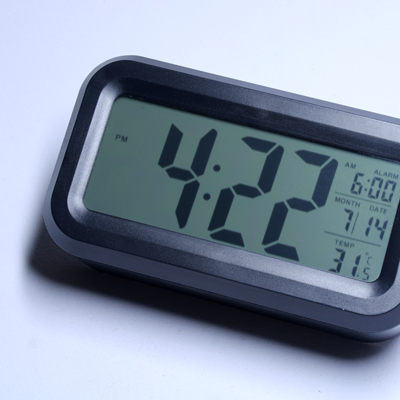
RoHS restricts the use of ten hazardous substances in electrical and electronic equipment, which in our industry covers items such as power banks, clocks, calculators, lights, speakers, cables and anything containing a battery or circuit.
The underpinning legislation across Great Britain and Northern Ireland is the Restriction of the Use of Certain Hazardous Substances in Electrical and Electronic Equipment Regulations 2012, as amended, though the two markets apply it differently. Great Britain operates its own exemptions system, separate from the EU's.
The Office for Product Safety and Standards is the enforcement body for both GB and Northern Ireland.
Obligations fall on manufacturers, authorised representatives, importers and distributors, and include holding supporting technical documentation and taking specific steps where a product is known or suspected to be non-compliant.
Current guidance: gov.uk/guidance/rohs-compliance-and-guidance
WEEE: waste electrical and electronic equipment
WEEE places obligations on businesses that place electrical and electronic equipment on the UK market. The framework is the Waste Electrical and Electronic Equipment Regulations 2013, as amended, most recently by amending regulations in 2025 that brought online marketplace operators into scope where they place equipment from non-UK sellers on the UK market.
Two points commonly catch our industry out:
- Branding matters. If you have equipment manufactured and put your own or your client's brand on it, you may be the producer rather than the factory.
- Importing matters. If you import electrical items directly rather than buying from a UK supplier, you may be the producer for those goods.
Producers placing less than five tonnes on the UK market in a compliance year may register directly with their environmental regulator as a small producer. Above five tonnes, a producer compliance scheme is required. Registration is annual.
Distributors selling electrical equipment to householders also have separate take-back duties.
Current guidance: gov.uk/guidance/electrical-and-electronic-equipment-eee-producer-responsibility
Batteries
Batteries carry their own producer obligations, separate from WEEE. If you are the first person in the selling chain to make batteries available on the UK market, including as an importer, you may be a battery producer. That includes batteries supplied inside a product.
Obligations include registration with the appropriate regulator, recording tonnage and chemistry, and financing collection and recycling where required.
Current guidance can be found through the producer responsibility section of gov.uk.
Packaging: extended producer responsibility
This is the newest and most widely relevant of the regimes on this page, because it applies to packaging rather than to a particular product type.
Packaging extended producer responsibility operates under the Producer Responsibility Obligations (Packaging and Packaging Waste) Regulations 2024, administered by PackUK within Defra across all four UK nations. Fees based on the amount and type of packaging supplied have applied since April 2025 [Packaging: extended producer responsibility].
Broadly, and subject to the detailed rules:
- Organisations with turnover above £1 million handling more than 25 tonnes of packaging are likely to be in scope as small producers, with annual reporting
- Organisations with turnover of £2 million or more handling more than 50 tonnes are likely to be large producers, with more frequent reporting and fees
Packaging data and the supporting evidence must be kept for at least seven years.
For a promotional merchandise business, packaging includes not only product packaging but also the boxes, void fill and mailing bags used to ship orders on.
Current guidance: gov.uk/government/collections/extended-producer-responsibility-for-packaging-report-packaging-data
Selling into the EU or Northern Ireland: GPSR
The EU General Product Safety Regulation (EU) 2023/988 has applied since 13 December 2024. It applies across the EU and, under the Windsor Framework, in Northern Ireland. It does not apply in Great Britain.
The requirement most likely to affect UK promotional merchandise businesses is the responsible person. A consumer product cannot be placed on the EU or Northern Ireland market unless there is an economic operator established in the EU or Northern Ireland accountable for its compliance. For a UK business without an EU presence, that means appointing an authorised representative, or agreeing that an EU-based importer or fulfilment provider takes the role.
The regulation also brings in traceability requirements, obligations on online marketplace sellers, and mandatory accident reporting.
If you ship promotional goods to a client's European offices, or fulfil into Northern Ireland, this applies to you even though it does not apply to the same goods sold in Great Britain.
Great Britain currently retains the General Product Safety Regulations 2005. The Product Regulation and Metrology Act 2025 gives government powers to modernise the GB regime, and a consultation on a new framework ran during 2026. No replacement GB framework had been adopted at the date this page was last reviewed.
Product marking
Products placed on the Great Britain market generally require UKCA marking where marking applies, although CE marking continues to be accepted in Great Britain for most product types. Products placed on the Northern Ireland market follow the EU rules and require CE marking.
Marking requirements vary considerably by product type. Confirm the position with the supplier for the specific product and the specific market.
Where responsibility sits
Sourcing City is a platform and information service. We do not manufacture, import, supply or test products, and we do not verify supplier compliance claims.
Product, pricing, specification and compliance information on our platforms is provided by suppliers. Compliance obligations sit with the businesses placing products on the market. Where you are branding, importing or reselling, you may hold obligations of your own even where you did not manufacture the item.
If in doubt, ask your supplier for their compliance documentation in writing, and take advice appropriate to your circumstances.
Keeping up to date
Regulation in this area is moving quickly, particularly around producer responsibility and product safety, and considerably faster than data protection law. We review this page every six months, but the official guidance is the authority and should be checked directly.
Questions about this page: info@sourcingcity.co.uk or 01252 224191.
Dynamic Image Ltd, registered in England and Wales, company number 4595360. Registered office: The Hub, Fowler Avenue, Farnborough, Hampshire, GU14 7JP. VAT registration number GB 807 3619 28.